The Importance Of Seismic Bracing Systems In Structural Engineering
In the field of structural engineering, seismic bracing systems play a crucial role in ensuring the safety and stability of buildings during earthquakes. These systems are designed to protect structures from the damaging effects of seismic activity by absorbing and dissipating the energy generated by ground motion.
seismic bracing systems are typically made up of a series of braces, dampers, and connections that work together to strengthen a building’s resistance to lateral forces. These lateral forces are caused by the movement of the ground during an earthquake, which can cause a building to sway or even collapse if not properly restrained.
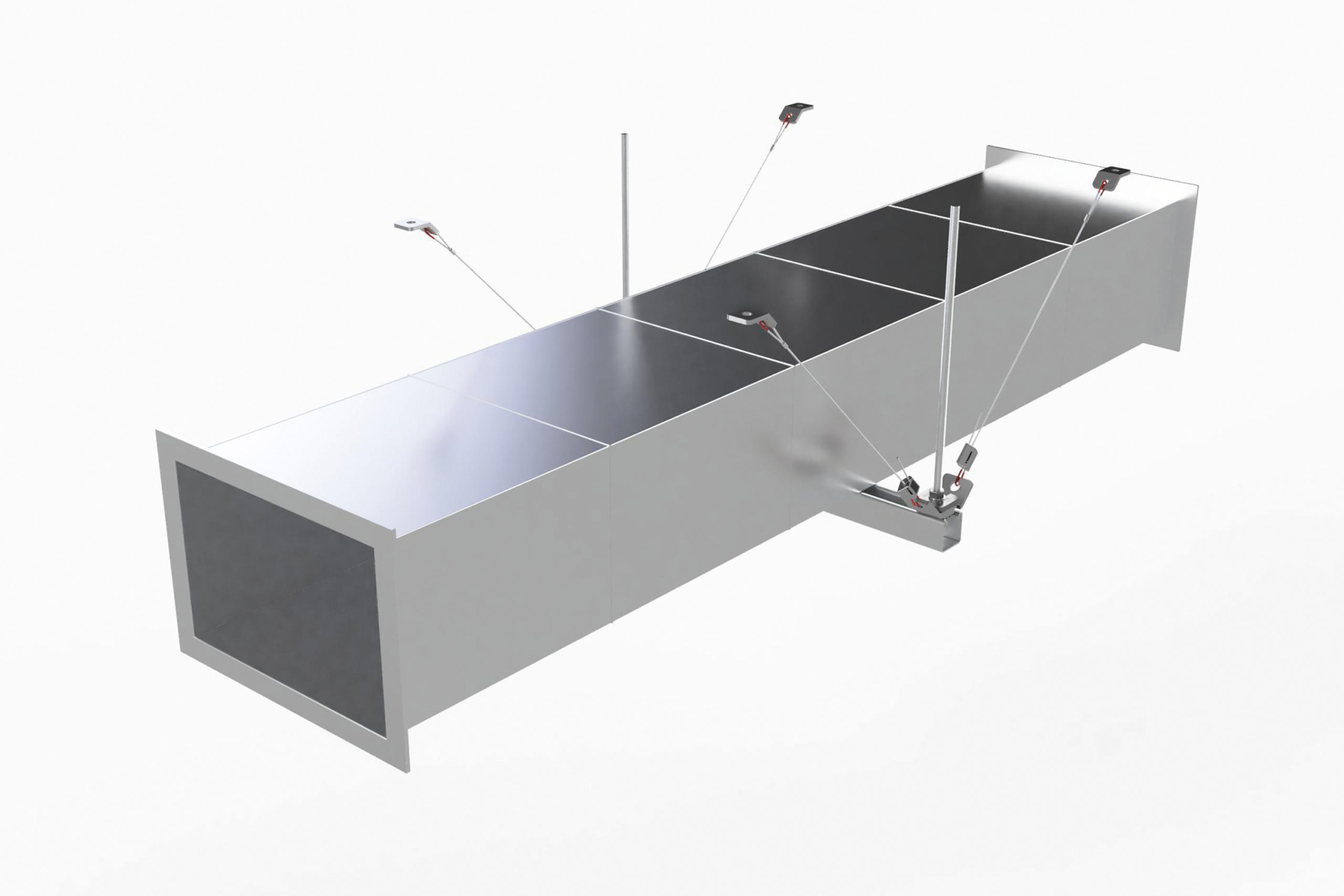
One of the key components of a seismic bracing system is the braces themselves. These are typically made of steel or other high-strength materials and are strategically placed throughout the building to provide additional support and stability. The braces act as a sort of skeleton for the structure, helping to distribute the forces generated by an earthquake more evenly and prevent any one part of the building from bearing too much of the load.
In addition to braces, seismic bracing systems also often include dampers. Dampers are devices that help to absorb and dissipate the energy generated by seismic activity, reducing the amount of force that is transferred to the building itself. This can help to minimize damage and prevent structural failure during an earthquake.
Connections are another important component of a seismic bracing system. These are the points where the braces and dampers are attached to the building, and they need to be strong and secure in order to effectively transmit forces and prevent the system from failing. Properly designed connections can mean the difference between a building that withstands an earthquake relatively unscathed and one that suffers severe damage.
The design and installation of a seismic bracing system require careful planning and expertise. Engineers need to take into account factors such as the building’s size, shape, and location, as well as the local seismic activity and building codes. A well-designed system can mean the difference between life and death for the occupants of a building during an earthquake.
Not only do seismic bracing systems protect buildings and their occupants during earthquakes, but they can also help to minimize damage and reduce repair costs after the fact. Buildings that are equipped with a properly designed and installed seismic bracing system are more likely to remain standing and functional following an earthquake, which can save owners and insurers significant money in the long run.
seismic bracing systems are also important for the protection of critical infrastructure such as hospitals, power plants, and communication facilities. These buildings need to remain operational during and after an earthquake in order to provide essential services to the community, and a well-designed seismic bracing system can help to ensure that they do.
In recent years, advancements in technology have allowed engineers to create more efficient and effective seismic bracing systems. New materials, designs, and construction techniques have made it possible to build structures that are more resistant to seismic activity than ever before, helping to save lives and protect property in earthquake-prone areas around the world.
While seismic bracing systems are essential for protecting buildings from earthquakes, they are just one part of a larger strategy for seismic risk reduction. Building design, construction practices, and emergency preparedness all play a role in ensuring the safety and resilience of structures in the face of seismic activity.
In conclusion, seismic bracing systems are a critical element of structural engineering that help to protect buildings from earthquakes and minimize damage in the event of an earthquake. By carefully designing and installing these systems, engineers can help to ensure the safety and stability of buildings and the people who occupy them, ultimately saving lives and reducing the economic impact of seismic events.